
Roundtable on transparent markets for sustainable energy investments as a side event to the UNCTAD World Investment Forum in Nairobi

Investment Village
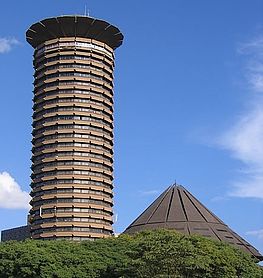
On 20 July 2016, the Energy Charter Secretariat held a roundtable on transparent energy markets as a side event to the UNCTAD World Investment Forum (WIF) in Nairobi, Kenya.
The event ‘Transparent Markets for Sustainable Energy Investments: Policy Options for Sustainable Development Investment Strategies’ discussed the available policy options within an ‘integrated investment and sustainable development strategy’ which preserve and promote the factors enabling sustainable energy investments.
The roundtable was well attended by representatives from governments, investment promotion agencies, academia, industry and financial institutions.
Speakers and participants were encouraged to comment on available policy options to mobilise the energy investments required to achieve the United Nations Sustainable Development Goal of universal access to energy.
Patrick Obath, from Adam Smith International Africa; Nathalie Bernasconi from the International Institute for Sustainable Development (IISD); Elizabeth Tuerk from UNCTAD; and Matteo Barra from the Energy Charter presented different views on the specific challenges of universal access to energy in Africa; the role and the value of the International Energy Charter in relation to clean energy transition; the consistency of the modernisation of the Energy Charter Treaty with the UNCTAD Investment Policy Framework for Sustainable Development and the UNCTAD Action Menu for IIA Reform.
During the discussion, the adoption of the principles of the International Energy Charter by countries from Europe, Africa, South and East Asia, Latin America and Middle East was addressed as a welcome complement to their domestic energy investment and sustainable development strategy. Such concrete interest of least developed countries in the Energy Charter principles has prompted a serious discussion on the modernisation of the Energy Charter Treaty. Ultimately, the treaty should serve to respond to the current global and regional energy challenges of universal energy access and of clean energy transition.
Reference was also made to the principles of predictability, transparency, regulatory stability, market confidence, rule of law, regulatory cooperation and investment facilitation in the International Energy Charter and in the Energy Charter Treaty.
The roundtable follows the works of the International Energy Charter expert meeting on "Sharing Pre-investment Rules in the Energy Sector: Domestic and International Predictable Options to Mobilise Sustainable Energy Investments" held in Brussels on 14 June 2016.
Further discussion with African states on the promotion of sustainable energy investments continued at the TICAD VI conference in Nairobi on 27-28 August 2016.