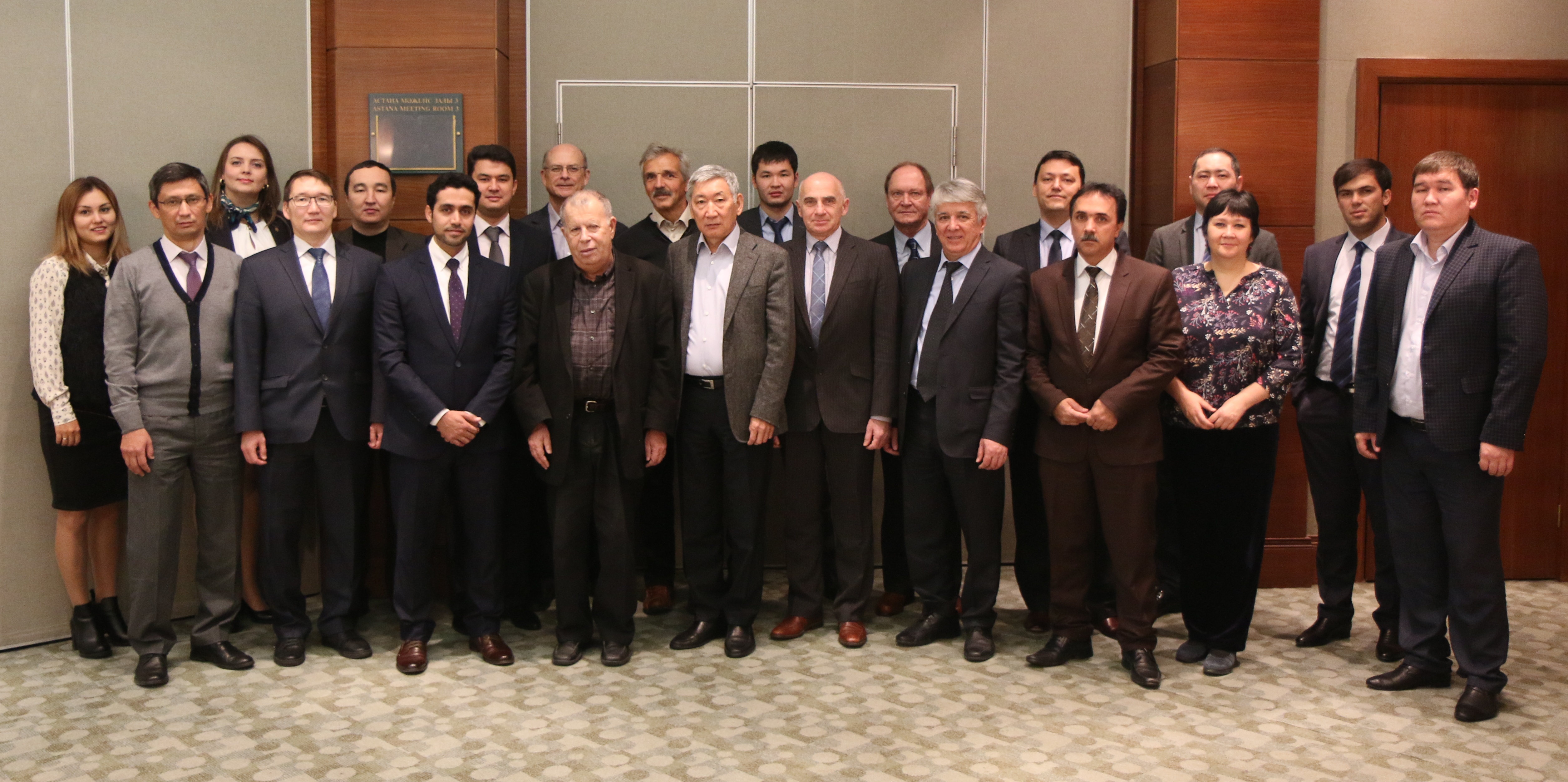
The meeting addressed wide range of issues related to challenges and opportunities of energy cooperation in Central and South Asia. The delegates discussed the perspectives of cross-border electricity trade, integration of energy markets, potential platforms for regional and inter-regional power trading, including possibilities for parallel operation of Afghan power system with Central Asia. The participants welcomed the work of the Energy Charter on a Multilateral Framework Agreement on Energy Transit, especially in terms of addressing the specifics of the electricity sector. It was highlighted that the proposed Agreement could be useful to address existing issues in the Unified Power System of Central Asia such as transit tariffs and third party access as well as to facilitate construction of new infrastructure projects. Status of implementation of the CASA-1000 project interconnecting power systems of Kyrgyzstan, Tajikistan, Afghanistan and Pakistan was also discussed. Country representatives appreciated the forum provided by the Energy Charter to share updates on the developments in their respective power systems and to harmonise energy strategies and policies.
Regional energy cooperation discussed in Almaty, Kazakhstan