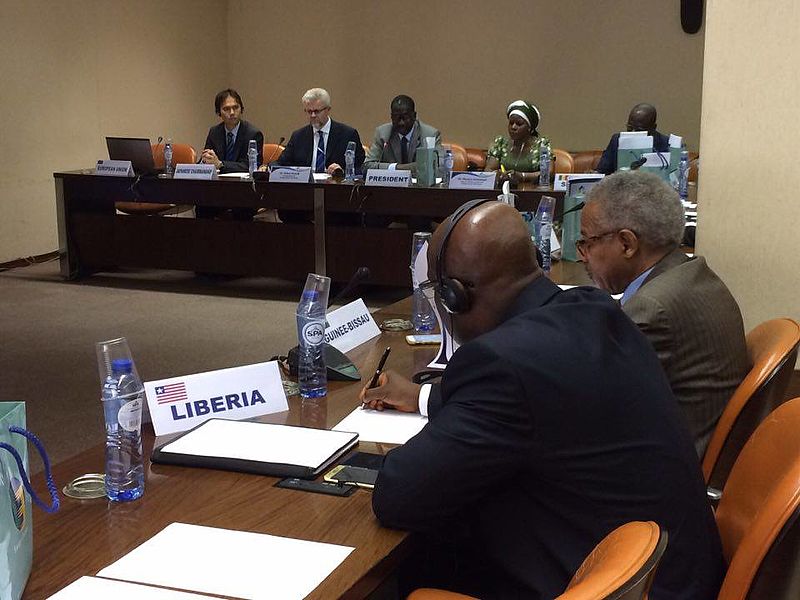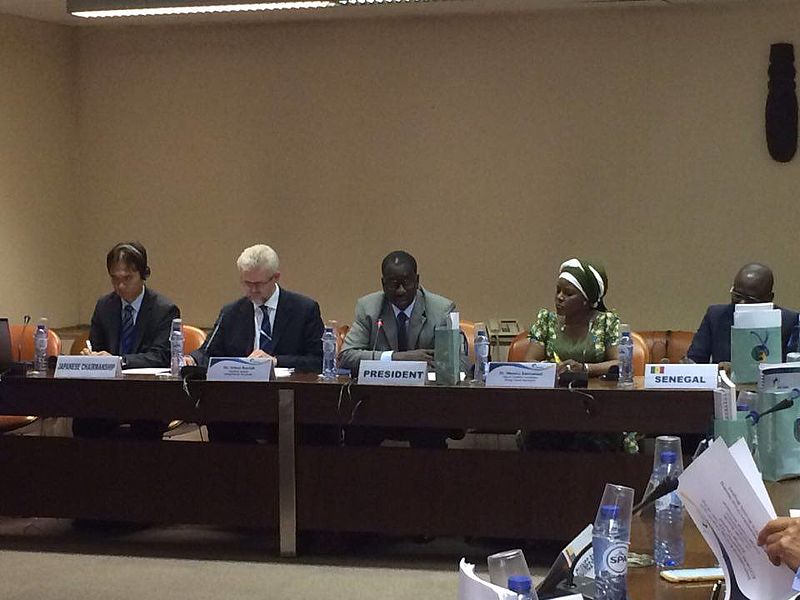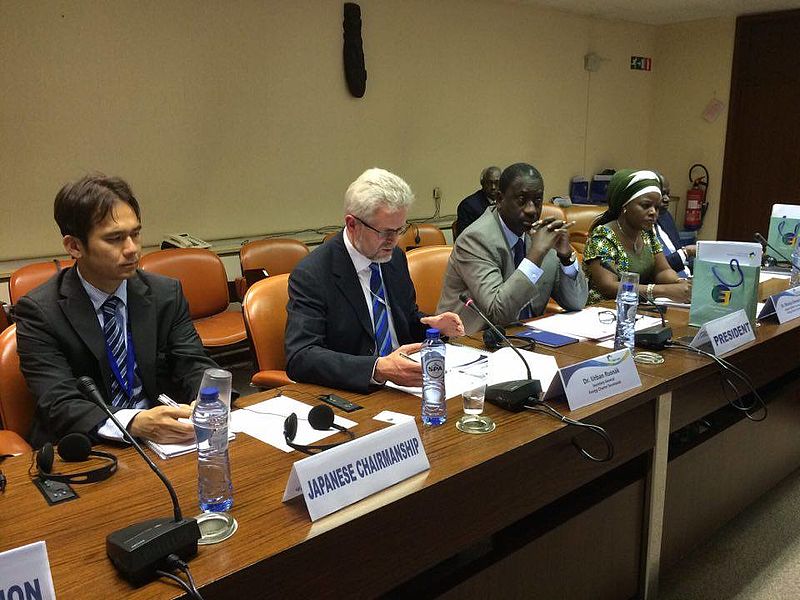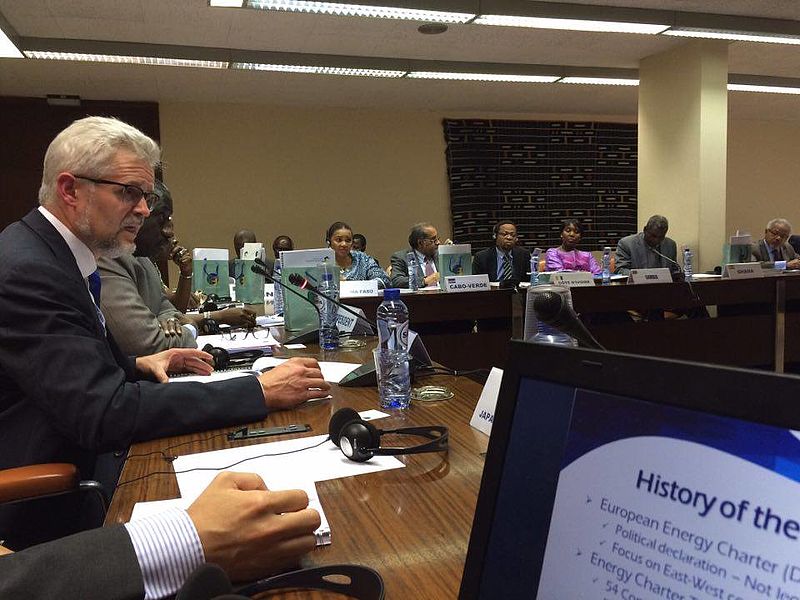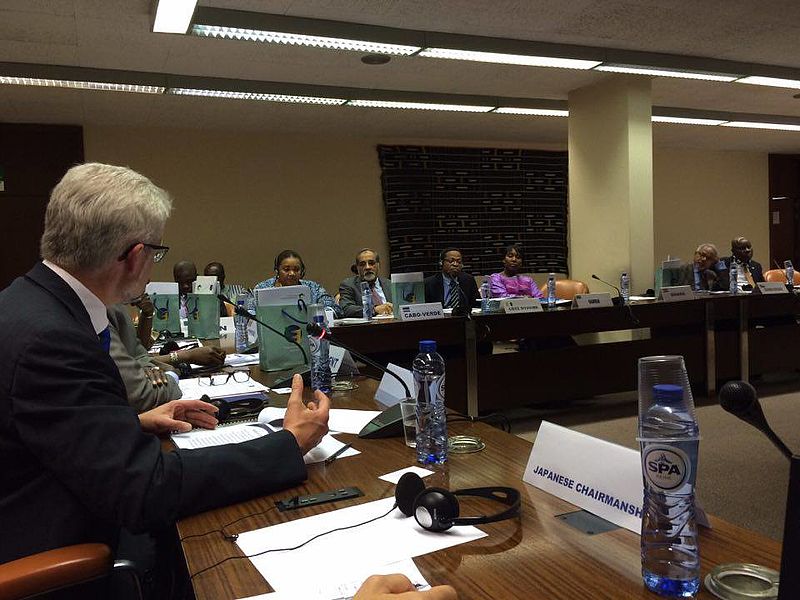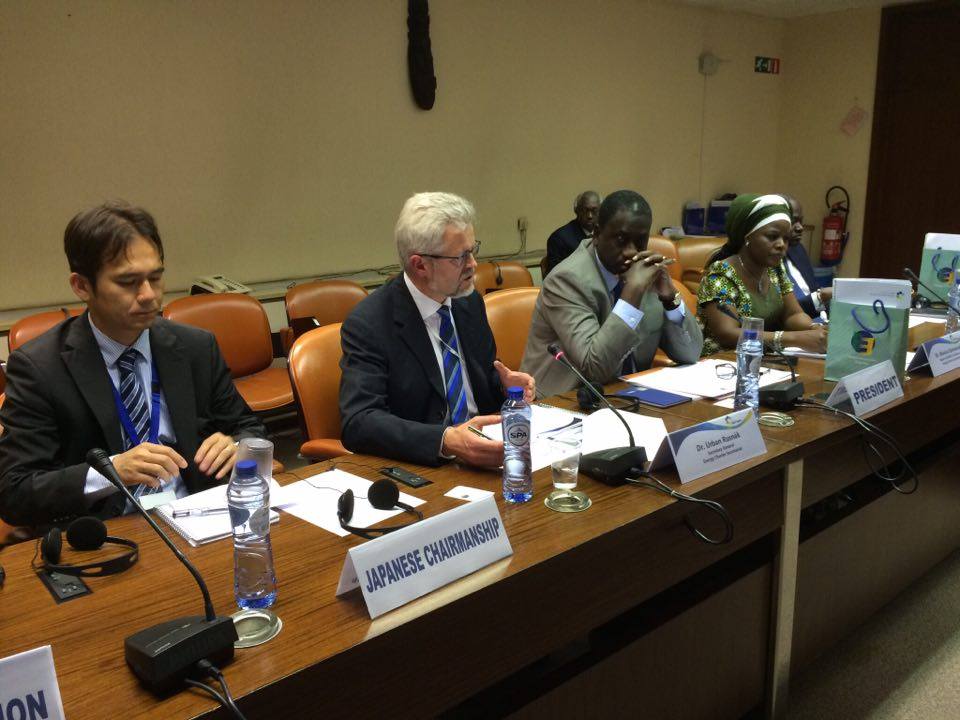
His presentation focused on the role the International Energy Charter already has and will have in Africa and on the importance of security of demand, security of supply, security of transit, and especially on alleviation of energy poverty. Energy access and sustainable energy development, said Dr. Rusnák, are fundamental, especially within the framework of COP21 pledges and climate change. The International Energy Charter is committed to continue its efforts on the African continent and welcome as many interested countries as possible. Facilitation and deeper integration of ECOWAS into the International Energy Charter process has already been underway, with great results. Dr. Rusnák also highlighted that some African countries have already signed the 2015 International Energy Charter and some of them are initiating procedures to become full Members.
During the meeting, the Energy Charter Conference was represented by Mr. Wataru Takahama from the Mission of Japan to the European Union (EU). The country holds this year’s Energy Charter Conference Chairmanship. During the meeting with ECOWAS’ Ambassadors, Mr. Takahama focussed his intervention on how the International Energy Charter brings together large energy producers, consumers and transit countries to meet their energy investment needs. Moreover, the official highlighted how the International Energy Charter is fundamental in creating an investment climate favourable for private investors and to facilitate energy access, which is of fundamental importance for the African continent. Mr. Takahama took the opportunity to invite countries to attend the 27th Meeting of the Energy Charter Conference which will take place in Tokyo at the end of November this year. The meeting will focus on the relevance of the International Energy Charter to sustainable energy development within the framework of climate change policy efforts.
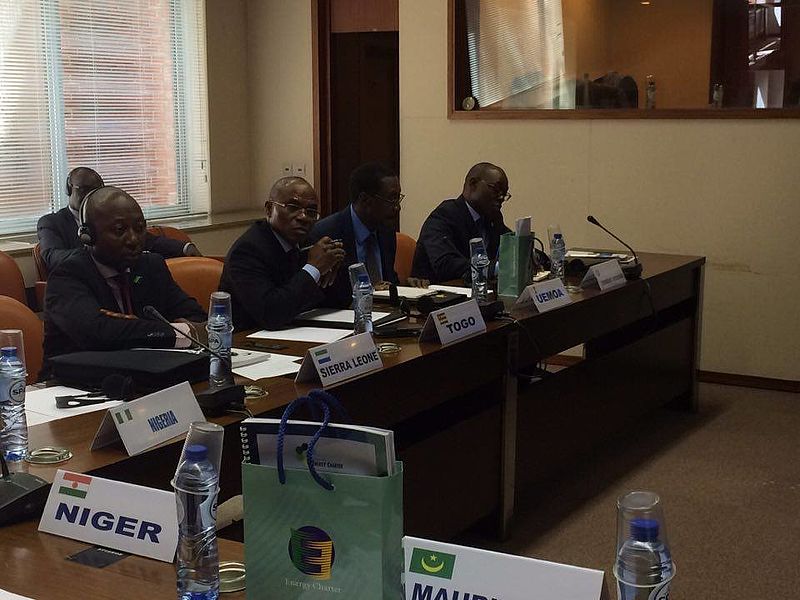
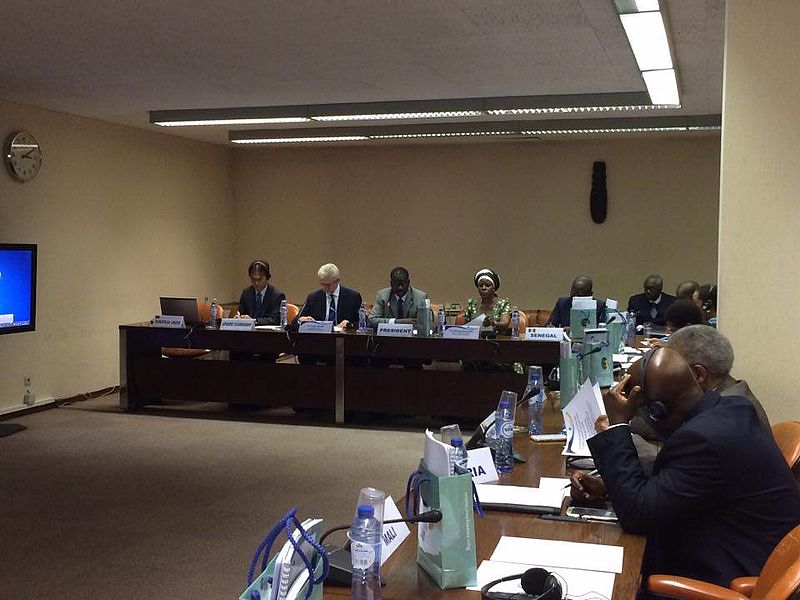
ECOWAS Ambassadors expressed their interest in this informational meeting and addressed their questions to the Secretary General. While some highlighted the importance of renewables for Africa within the COP21 framework, and as one of the many viable solutions to reduce the impact of climate change on many African countries, most of them widely welcomed the energy cooperation opportunity offered by the International Energy Charter. Standardising legal frameworks and regulations can lead to the realisation of a common and shared regional energy market that Africa is now lacking. Most Ambassadors agreed that the latter and more integrated regional cooperation among African countries are urgent objectives, and the Secretary General reiterated that the International Energy Charter, the Energy Charter Treaty and the Energy Charter Secretariat are all tools available to African countries to reach these important objectives. Dr. Rusnák invited present ECOWAS countries to take the lead in closing the (already smaller) gap between the International Energy Charter and the African continent.